Unlock the power of liquid biopsy with the OncoSeek cfDNA extraction kit
Unlock the power of liquid biopsy with the OncoSeek cfDNA extraction kit
Unlock the power of liquid biopsy with the OncoSeek cfDNA extraction kit
Unlock the power of liquid biopsy with the OncoSeek cfDNA extraction kit
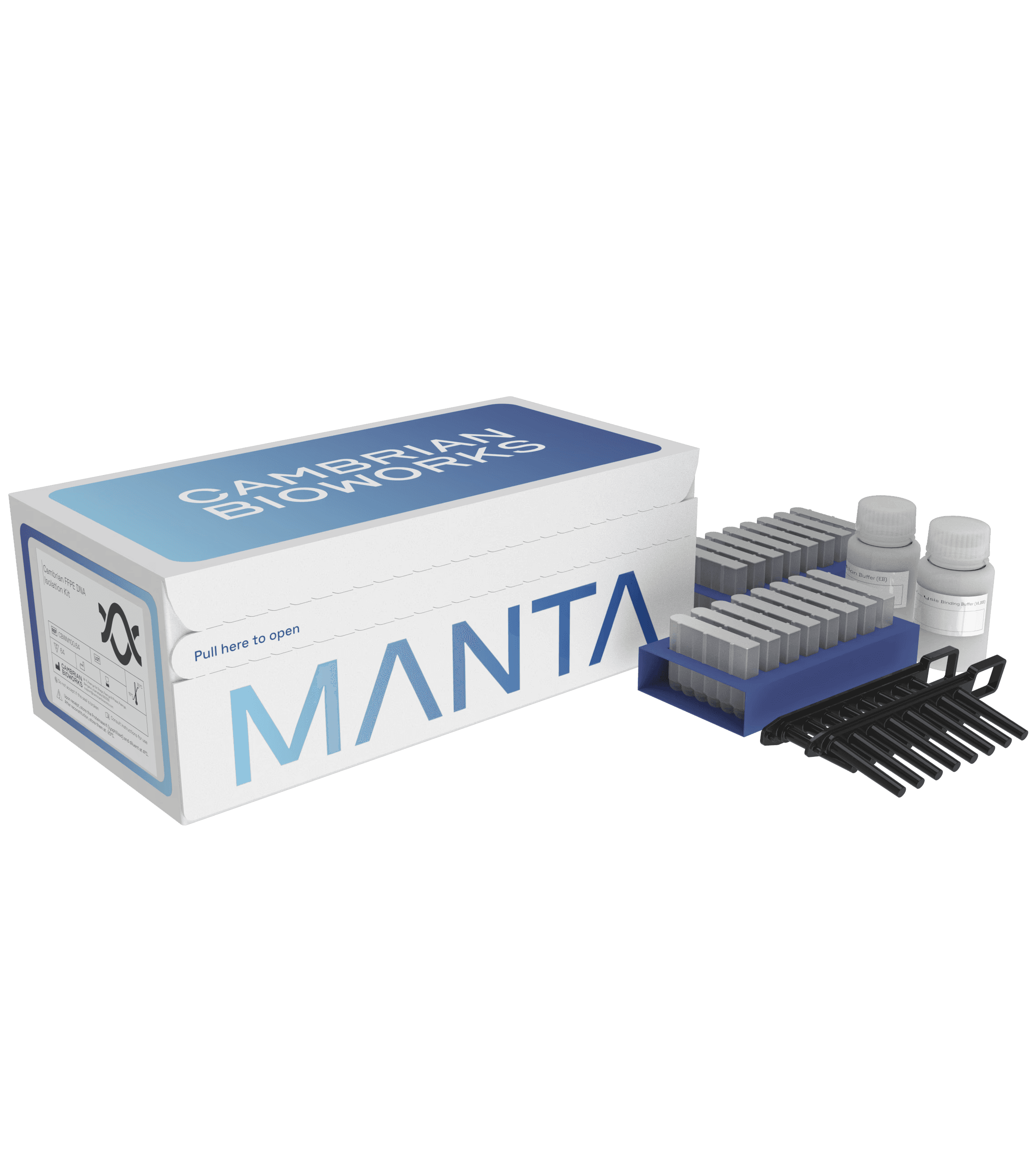
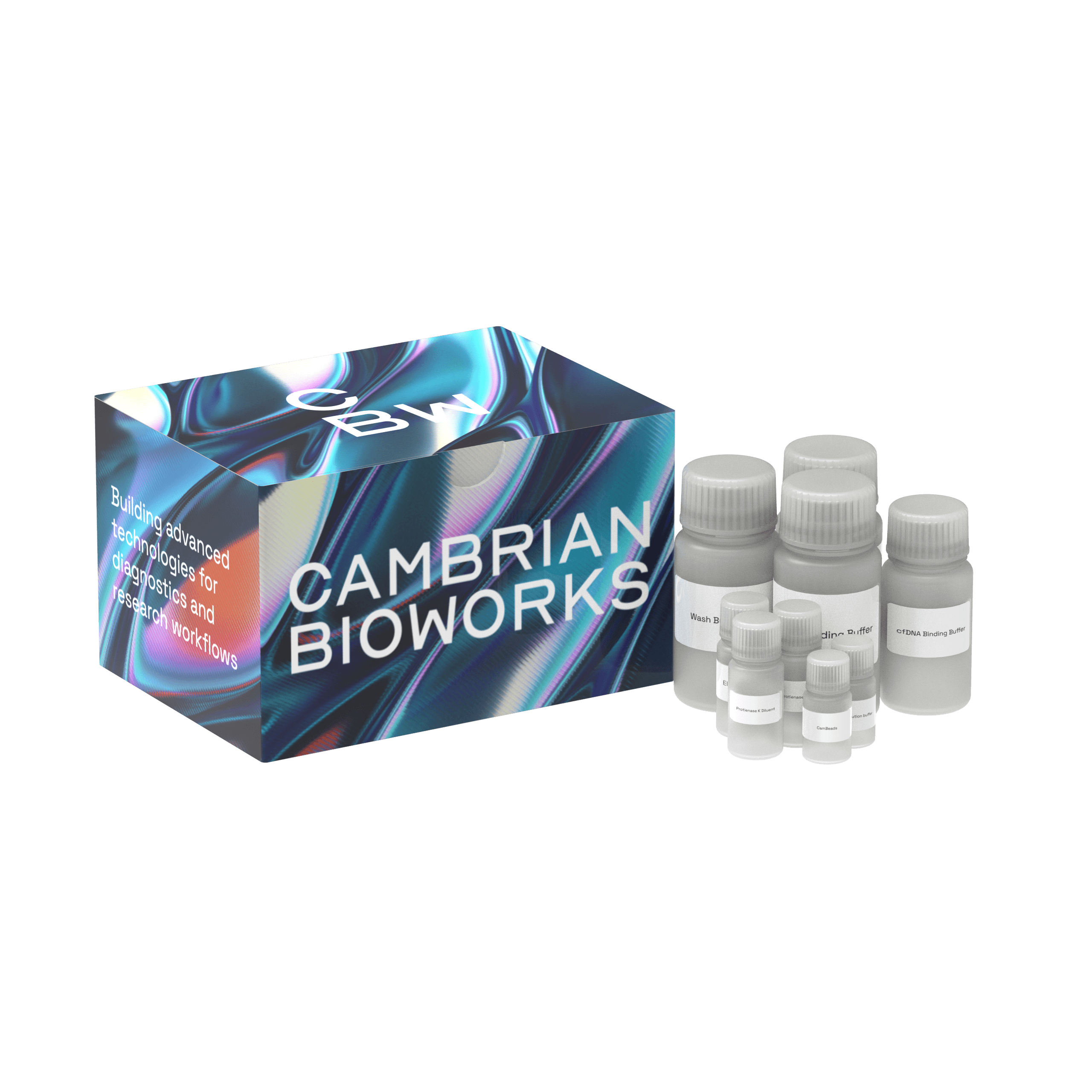
Isolate high-quality cfDNA with high recovery and minimal genomic DNA contamination.
Isolate high-quality cfDNA with high recovery and minimal genomic DNA contamination.
Isolate high-quality cfDNA with high recovery and minimal genomic DNA contamination.
Isolate high-quality cfDNA with high recovery and minimal genomic DNA contamination.
Available pack size:
Available pack size:
Available pack size:
25-50 preps (2mL plasma x 50 preps)
25-50 preps (2mL plasma x 50 preps)
25-50 preps (2mL plasma x 50 preps)
Built for sensitive
oncology workflows
Optimized for oncology applications
Optimized for oncology applications
Optimized for oncology applications
Optimized for oncology applications
NGS
NGS
NGS
qPCR
qPCR
qPCR
digital PCR
digital PCR
digital PCR
Optimized for liquid biopsy and MRD applications, supporting reliable detection of low-abundance ctDNA across
Optimized for liquid biopsy and MRD applications, supporting reliable detection of low-abundance ctDNA across
Optimized for liquid biopsy and MRD applications, supporting reliable detection of low-abundance ctDNA across
Efficient workflow
Efficient workflow
Efficient workflow
Efficient workflow
Bead-based purification reduces manual effort and supports automation, completing cfDNA extraction in ≈55 minutes.
Bead-based purification reduces manual effort and supports automation, completing cfDNA extraction in ≈55 minutes.
Bead-based purification reduces manual effort and supports automation, completing cfDNA extraction in ≈55 minutes.
Maximize yield from every sample
Maximize yield from every sample
Maximize yield from every sample
Maximize yield from every sample
Efficiently isolates cfDNA even from variable sample volume (1mL - 4mL), delivering consistent yields while preserving valuable sample material.
Efficiently isolates cfDNA even from variable sample volume (1mL - 4mL), delivering consistent yields while preserving valuable sample material.
Efficiently isolates cfDNA even from variable sample volume (1mL - 4mL), delivering consistent yields while preserving valuable sample material.
Enriched for tumor-relevant fragment sizes
Enriched for tumor-relevant fragment sizes
Preferentially captures 150–200 bp cfDNA fragments, enriching tumor-derived DNA and improving detection sensitivity.
Preferentially captures 150–200 bp cfDNA fragments, enriching tumor-derived DNA and improving detection sensitivity.
Minimal genomic DNA contamination
Minimal genomic DNA contamination
Minimal genomic DNA contamination
Minimal genomic DNA contamination
Selective binding conditions help limit gDNA contamination.
Selective binding conditions help limit gDNA contamination.
Selective binding conditions help limit gDNA contamination.
Maximize recovery with OncoSeek
Maximize recovery with OncoSeek
Maximize recovery with OncoSeek
Maximize recovery with OncoSeek
Maximize recovery with OncoSeek
In a study across 7 clinical patient samples, OncoSeek delivered 5–20× higher cfDNA yield using just 1 mL of plasma, compared to Supplier A requiring 2 mL. The improved recovery efficiency ensures sufficient input for sensitive downstream applications such as NGS and digital PCR.
In a study across 7 clinical patient samples, OncoSeek delivered 5–20× higher cfDNA yield using just 1 mL of plasma, compared to Supplier A requiring 2 mL. The improved recovery efficiency ensures sufficient input for sensitive downstream applications such as NGS and digital PCR.
In a study across 7 clinical patient samples, OncoSeek delivered 5–20× higher cfDNA yield using just 1 mL of plasma, compared to Supplier A requiring 2 mL. The improved recovery efficiency ensures sufficient input for sensitive downstream applications such as NGS and digital PCR.
In a study across 7 clinical patient samples, OncoSeek delivered 5–20× higher cfDNA yield using just 1 mL of plasma, compared to Supplier A requiring 2 mL. The improved recovery efficiency ensures sufficient input for sensitive downstream applications such as NGS and digital PCR.
Cambrian
Cambrian
Supplier A
Supplier A
Sample number
cfDNA yield (ng)
0
500
1000
1500
S7
S6
S5
S4
S3
S2
S1
335
65
830
40
585
85
765
580
885
30
1365
260
1010
155
Sample number
cfDNA yield (ng)
0
500
1000
1500
S7
S6
S5
S4
S3
S2
S1
335
65
830
40
585
85
765
580
885
30
1365
260
1010
155
Cell-free fraction %
Cell-free fraction %
Cell-free fraction %
Cell-free fraction %
Cell-free fraction %
OncoSeek delivered higher cell-free fractions across clinical samples, producing cleaner cfDNA suitable for sensitive liquid biopsy workflows. Performance was confirmed using TapeStation cfDNA ScreenTape analysis.
OncoSeek delivered higher cell-free fractions across clinical samples, producing cleaner cfDNA suitable for sensitive liquid biopsy workflows. Performance was confirmed using TapeStation cfDNA ScreenTape analysis.
OncoSeek delivered higher cell-free fractions across clinical samples, producing cleaner cfDNA suitable for sensitive liquid biopsy workflows. Performance was confirmed using TapeStation cfDNA ScreenTape analysis.
OncoSeek delivered higher cell-free fractions across clinical samples, producing cleaner cfDNA suitable for sensitive liquid biopsy workflows. Performance was confirmed using TapeStation cfDNA ScreenTape analysis.
Cambrian
Cambrian
Supplier A
Supplier A
Sample number
cfDNA Fraction % (100-200 bp)
0
20
40
60
80
S7
S6
S5
S4
S3
S2
S1
54.4
23.6
68.2
55.7
39.8
2.4
46.2
42.2
75
24.5
60.8
7
45.6
38.1
Sample number
cfDNA Fraction % (100-200 bp)
0
20
40
60
80
S7
S6
S5
S4
S3
S2
S1
54.4
23.6
68.2
55.7
39.8
2.4
46.2
42.2
75
24.5
60.8
7
45.6
38.1
Supported workflows
Minimal residual disease (MRD) detection
Minimal residual disease (MRD) detection
Minimal residual disease (MRD) detection
Minimal residual disease (MRD) detection
Longitudinal monitoring of treatment response
Longitudinal monitoring of treatment response
Longitudinal monitoring of treatment response
Longitudinal monitoring of treatment response
Early cancer detection research
Early cancer detection research
Early cancer detection research
Early cancer detection research
Liquid biopsy assay development and validation
Liquid biopsy assay development and validation
Liquid biopsy assay development and validation
Liquid biopsy assay development and validation
Mutation profiling using NGS/ddPCR
Mutation profiling using NGS/ddPCR
Mutation profiling using NGS/ddPCR
Mutation profiling using NGS/ddPCR
Workflow overview
Workflow overview
Workflow overview
Workflow overview
Workflow overview
OncoSeek integrates seamlessly into existing oncology workflows:
OncoSeek integrates seamlessly into existing oncology workflows:
OncoSeek integrates seamlessly into existing oncology workflows:
OncoSeek integrates seamlessly into existing oncology workflows:
Plasma
sample
Plasma sample
Plasma
sample
Lysis
PCR amplification
PCR amplification
PCR amplification
(Add Proteinase K + Lysis Buffer)
(Add Proteinase K + Lysis Buffer)
PCR amplification
(Add Proteinase K + Lysis Buffer)
Binding
Binding
Binding
(cfDNA Binding Buffer + Magnetic Beads)
(cfDNA Binding Buffer + Magnetic Beads)
Binding
(cfDNA Binding Buffer + Magnetic Beads)
Magnetic Separation
Magnetic Separation
Magnetic Separation
Magnetic Separation
Wash steps
Wash steps
Wash steps
(I,II,III)
(I,II,III)
Wash steps
(I,II,III)
Drying
Drying
Drying
Drying
Elution
Elution
Elution
Elution
Storage
Storage
(−20°C)
(−20°C)
Storage
(−20°C)
Storage
(−20°C)
How do we compare?
How do we compare?
How do we compare?
How do we compare?
How do we compare?
Medusa V/S Eppendorf epMotion 5070 / 5075
Medusa V/S Hamilton NIMBUS
Medusa V/S Tecan Fluent
Medusa V/S Beckman Biomek i3
Features
Medusa
Eppendorf epMotion 5070 / 5075
Pipetting architecture
Independent pipetting arm; single + multi-channel
Automated dispensing tools
AI protocol generator
Yes
No
Elevated Tip racks
Yes
No
Volume range
5–1000 µL single-channel; 3–300 µL 8-channel
0.2–1000 µL*
Liquid sensing
Pressure transduction
Optical liquid-level detection
Deck / positions
Multi-position; 4 tip-box + 4 plate nests specified
5070: compact; 5075: up to 15 positions
Labware compatibility
Microplates, PCR tubes/strips, MCTs, tip boxes, waste
Broad labware ecosystem
HEPA/UV
Yes
No
Software
Software-controlled; workflow/step configuration
epBlue, drag-and-drop
Workflow programming
Pre-programmed workflows / configurable steps
Yes
Enclosure
Protective enclosure
Enclosed options
Key differentiation
Focused automation + pressure-based sensing + configurable workflow
Mature ecosystem + broad application portfolio
Best-fit customer
Labs wanting to automate repetitive liquid handling without unnecessary complexity
Labs wanting established Eppendorf automation
Medusa V/S Eppendorf epMotion 5070 / 5075
Medusa V/S Hamilton NIMBUS
Medusa V/S Tecan Fluent
Medusa V/S Beckman Biomek i3
Features
Medusa
Eppendorf epMotion 5070 / 5075
Pipetting architecture
Independent pipetting arm; single + multi-channel
Automated dispensing tools
AI protocol generator
Yes
No
Elevated Tip racks
Yes
No
Volume range
5–1000 µL single-channel; 3–300 µL 8-channel
0.2–1000 µL*
Liquid sensing
Pressure transduction
Optical liquid-level detection
Deck / positions
Multi-position; 4 tip-box + 4 plate nests specified
5070: compact; 5075: up to 15 positions
Labware compatibility
Microplates, PCR tubes/strips, MCTs, tip boxes, waste
Broad labware ecosystem
HEPA/UV
Yes
No
Software
Software-controlled; workflow/step configuration
epBlue, drag-and-drop
Workflow programming
Pre-programmed workflows / configurable steps
Yes
Enclosure
Protective enclosure
Enclosed options
Key differentiation
Focused automation + pressure-based sensing + configurable workflow
Mature ecosystem + broad application portfolio
Best-fit customer
Labs wanting to automate repetitive liquid handling without unnecessary complexity
Labs wanting established Eppendorf automation
Medusa V/S Eppendorf epMotion 5070 / 5075
Medusa V/S Hamilton NIMBUS
Medusa V/S Tecan Fluent
Medusa V/S Beckman Biomek i3
Features
Medusa
Eppendorf epMotion 5070 / 5075
Pipetting architecture
Independent pipetting arm; single + multi-channel
Automated dispensing tools
AI protocol generator
Yes
No
Elevated Tip racks
Yes
No
Volume range
5–1000 µL single-channel; 3–300 µL 8-channel
0.2–1000 µL*
Liquid sensing
Pressure transduction
Optical liquid-level detection
Deck / positions
Multi-position; 4 tip-box + 4 plate nests specified
5070: compact; 5075: up to 15 positions
Labware compatibility
Microplates, PCR tubes/strips, MCTs, tip boxes, waste
Broad labware ecosystem
HEPA/UV
Yes
No
Software
Software-controlled; workflow/step configuration
epBlue, drag-and-drop
Workflow programming
Pre-programmed workflows / configurable steps
Yes
Enclosure
Protective enclosure
Enclosed options
Key differentiation
Focused automation + pressure-based sensing + configurable workflow
Mature ecosystem + broad application portfolio
Best-fit customer
Labs wanting to automate repetitive liquid handling without unnecessary complexity
Labs wanting established Eppendorf automation
Technical specifications
Technical specifications
Technical specifications
FAQs
FAQs
Build reliable liquid
biopsy workflows
Discover how OncoSeek can support your MRD, liquid biopsy, and oncology research applications.
Discover how OncoSeek can support your MRD, liquid biopsy, and oncology research applications.
Discover how OncoSeek can support your MRD, liquid biopsy, and oncology research applications.
Discover how OncoSeek can support your MRD, liquid biopsy, and oncology research applications.